

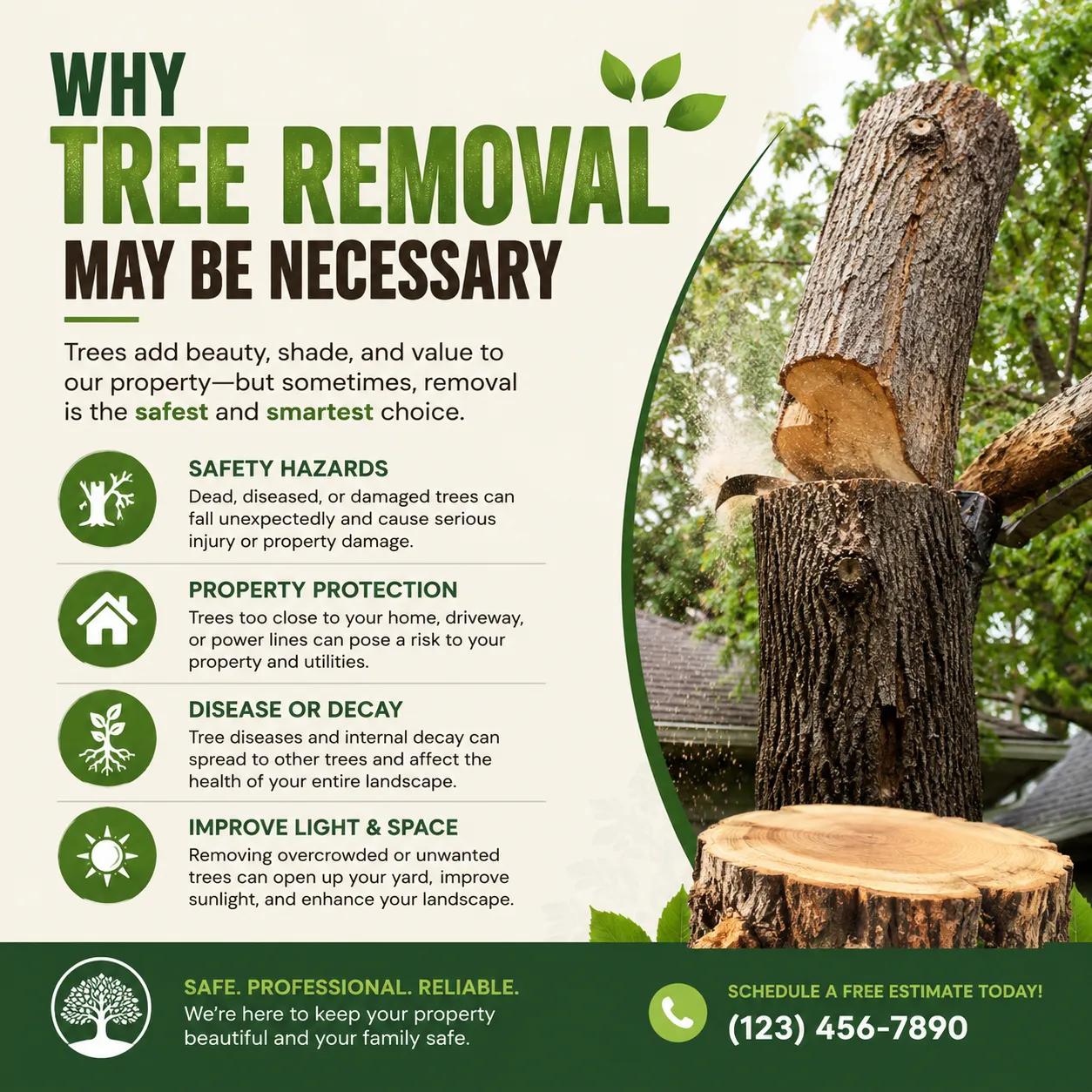
Winter in Rochester can be beautiful, but heavy snowfall often creates serious challenges for homeowners and their trees. While snow-covered branches may look picturesque, the weight of accumulated snow and ice can place tremendous stress on trees. In many cases, tree removal becomes necessary to protect homes, vehicles, power lines, and personal safety.
Understanding how severe winter weather affects trees can help property owners recognize warning signs early and make informed decisions about professional tree care.
How Heavy Snowfall Damages Trees
Trees are built to withstand changing weather conditions, but excessive snow accumulation can overwhelm even healthy trees. Wet, heavy snow is especially dangerous because it clings to branches and adds significant weight.
When this happens, trees may experience:
Cracked or split limbs
Broken branches
Leaning trunks
Root instability
Structural weakness
Complete tree collapse
Older trees, diseased trees, and trees with poor structural integrity are often the most vulnerable during winter storms.
Broken Branches Can Create Safety Hazards
One of the biggest reasons tree removal may become necessary after snowfall is safety. Large branches weakened by snow and ice can suddenly break and fall without warning. This creates a serious risk for:
Homes and garages
Vehicles parked nearby
Utility lines
Sidewalks and driveways
Pedestrians and family members
A damaged tree may look stable at first, but hidden cracks inside the trunk or major limbs can make it extremely dangerous over time.
Snow Damage Can Weaken Tree Structure Permanently
After a major snowstorm, some trees may survive initially but suffer long-term structural damage. Once the trunk splits or major limbs break, the tree’s stability may never fully recover.
A weakened tree becomes more likely to fail during future storms, high winds, or heavy rain. In these situations, professional tree removal is often the safest and most cost-effective solution before the problem worsens.
Leaning Trees Should Never Be Ignored
Heavy snowfall can shift the balance of a tree and place strain on the root system. If you notice a tree suddenly leaning after a winter storm, it could indicate root failure or internal structural damage.
Common warning signs include:
Exposed roots near the base
Soil lifting around the trunk
A noticeable new lean
Cracks in the trunk
Hanging or broken limbs
A leaning tree can become unstable quickly, especially during additional snow or wind events common in Rochester winters.
Diseased or Dead Trees Are More Likely to Fail
Dead trees and diseased trees are especially vulnerable to snow accumulation because their wood is already weakened. Snow and ice simply accelerate the damage.
Signs of a potentially hazardous tree include:
Hollow sections in the trunk
Fungus growth near the base
Missing bark
Dead branches
Sparse leaf growth during warmer seasons
If a tree was already struggling before winter, heavy snowfall may push it beyond recovery, making removal necessary for safety reasons.
Tree Removal Helps Prevent Property Damage
Ignoring a damaged tree after a snowstorm can lead to expensive repairs later. Falling trees and limbs can damage roofs, gutters, fences, vehicles, and nearby landscaping.
Professional tree removal services help homeowners avoid:
Emergency storm damage costs
Insurance complications
Blocked driveways
Power outages
Injury liability risks
Removing a compromised tree early is often far less expensive than dealing with the aftermath of a fallen tree.
Professional Assessment Is Important After Winter Storms
Not every snow-damaged tree needs to be removed immediately. In some cases, pruning or cabling may help preserve the tree. However, only a trained tree professional can properly evaluate structural damage and determine the safest course of action.
An experienced tree service company can inspect:
Trunk stability
Root condition
Branch integrity
Internal decay
Storm-related stress
This helps homeowners make informed decisions about tree removal, trimming, or future maintenance.
Preventive Tree Care Can Reduce Winter Damage
Regular tree maintenance before winter arrives can reduce the likelihood of severe snow damage. Proper pruning removes weak or overextended branches that are more likely to break under pressure.
Preventive care may include:
Seasonal tree trimming
Dead branch removal
Structural pruning
Disease inspection
Tree health evaluations
Healthy, properly maintained trees are generally better equipped to handle Rochester’s harsh winter weather.
Heavy snowfall can transform healthy-looking trees into serious hazards in a matter of hours. Broken limbs, leaning trunks, and weakened structures can threaten homes, vehicles, and personal safety long after the snow has melted. In many cases, professional tree removal becomes the safest solution to prevent future accidents and costly property damage.
For homeowners in Rochester NY, scheduling a professional tree inspection after major winter storms is one of the best ways to protect your property and maintain a safe landscape throughout the season.